The Evolution of DevOps: From Agile to AI-Driven Automation
Over the last two decades, DevOps has evolved from a cultural movement into a strategic engine powering the world’s most innovative companies. What began as an effort to close the gap between developers and operations teams has now expanded into a sophisticated ecosystem powered by automation, cloud-native technology, and increasingly — AI. Understanding the evolution of DevOps is essential for anyone leading technology teams, building digital products, or shaping engineering strategy.
From Agile Roots to Continuous Delivery
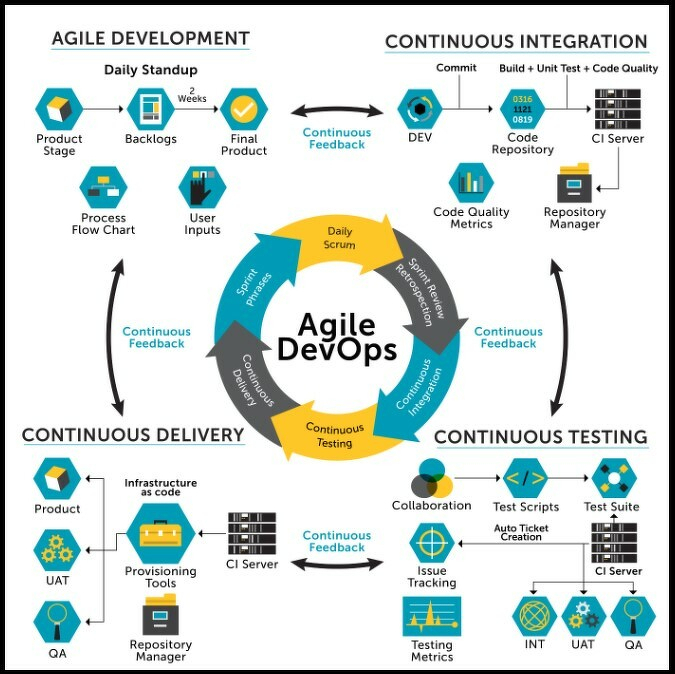
Before DevOps, Agile transformed how teams built software — shifting from long development cycles to short, iterative sprints. But Agile had a limitation: it improved building software, not deploying it. DevOps emerged to close that loop. With DevOps, development and operations aligned around shared goals: • Faster delivery • Lower risk • Continuous feedback • High collaboration This shift enabled organizations to move from “code complete” to “value delivered” — continuously.
The Cloud Era: Infrastructure Becomes Code
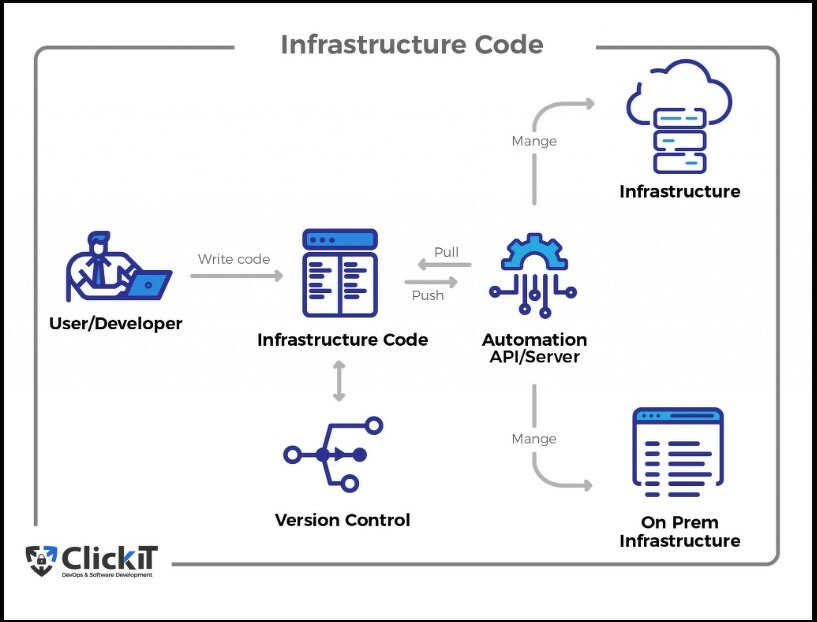
The rise of AWS, Azure, and Google Cloud reshaped DevOps completely. Suddenly, infrastructure wasn’t physical — it was software. Infrastructure-as-Code (IaC) tools like Terraform and CloudFormation enabled teams to: • Provision systems automatically • Version-control entire environments • Reduce configuration drift • Scale with a single command This era moved DevOps from “faster releases” to “predictable, reproducible, and scalable systems.”
Microservices & Containers: DevOps Gets Distributed
The shift to microservices, Docker, and Kubernetes further accelerated DevOps transformation. Software was no longer one big monolith — it became hundreds of small, interdependent services. This demanded: • Automated deployments • Advanced monitoring and observability • Strong CI/CD pipelines • New architecture patterns DevOps evolved again — from a team culture to a platform capability.