DevOps vs. Agile: Understanding the Key Differences Part 2
Why Agile Alone Is Not Enough
Many organizations successfully adopt Agile but still struggle with:
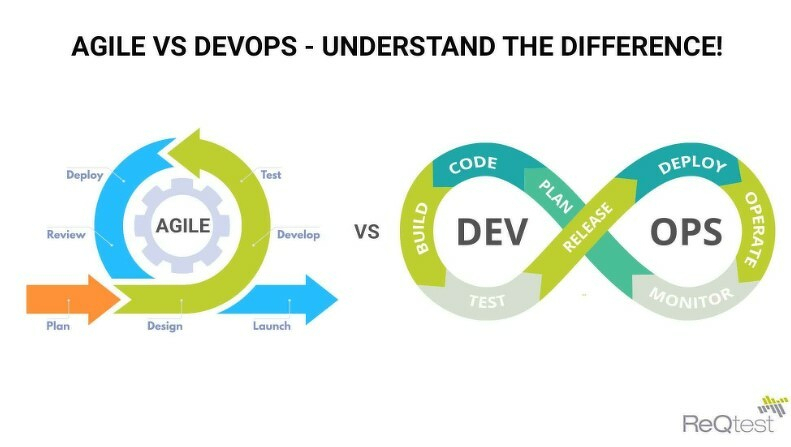
• Slow deployments • Production instability • Manual release processes • Tension between Dev and Ops teams This is because Agile stops at “code complete.” DevOps extends the journey to “value delivered.” Without DevOps, Agile teams often build software faster — only to wait longer for it to reach production.
How Agile and DevOps Work Best Together
Agile and DevOps are not competitors — they are complementary.
• Agile accelerates planning and development • DevOps accelerates delivery and operations • Together, they enable continuous value delivery In mature organizations, Agile teams feed directly into DevOps pipelines, supported by automation, cloud-native infrastructure, and continuous feedback loops.
What This Means
With the rise of cloud-native systems, microservices, and AI-driven development:
• Agile ensures adaptability in fast-changing markets • DevOps ensures stability in complex environments • DevSecOps integrates security throughout both Organizations that understand — and properly implement — both Agile and DevOps gain a strategic advantage in speed, quality, and resilience.
Conclusion
Agile and DevOps solve different problems, but they share the same mission: delivering value to users faster and more reliably. Agile helps teams build better software. DevOps helps teams run better systems. In 2025 and beyond, success doesn’t come from choosing one over the other — it comes from mastering how they work together.