
Struggling to explain how DevOps transforms software delivery?
Here’s a simple way to think about it:
-
Traditional software delivery is like a relay race. Each team runs their part, then hands the baton off — often dropping it along the way.
-
DevOps turns the relay into a team sport. Developers, operations, and security play together with shared goals and responsibility.
-
Automation is the playbook. Testing, deployments, infrastructure, and security checks run automatically instead of manually.
-
Small releases replace big risky launches. Changes are delivered frequently, safely, and with less stress.
-
Monitoring is the scoreboard. Teams see performance, errors, and user impact in real time — and adjust quickly.
The result? Faster releases, fewer failures, happier users, and teams that actually enjoy shipping software.
DevOps doesn’t just speed up delivery — it makes delivery reliable.
How do you explain DevOps in simple terms? Drop your favorite analogy below 👇
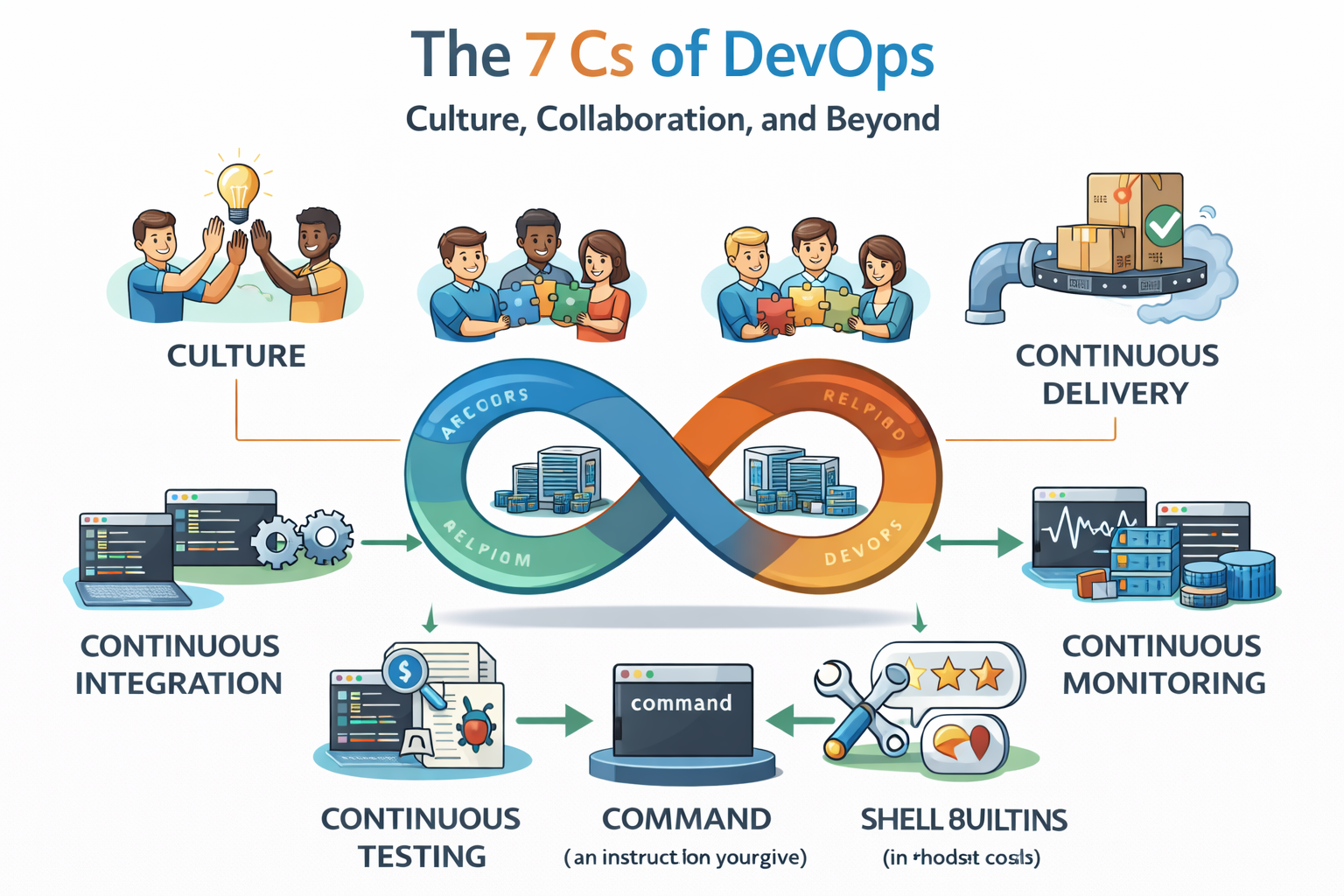
The 7 Cs of DevOps: Culture, Collaboration, and Beyond
Still trying to explain what really makes DevOps work? Below is a simple way to remember it: Consider DevOps as a high-performing team, not a set of tools. The secret lies in the 7 Cs of DevOps:
- Culture DevOps starts with mindset. Teams value trust, shared ownership, and learning over blame.
- Collaboration Developers, operations, and security working together not in silos and toward the same outcome.
- Communication Clear, frequent communication prevents misunderstandings and speeds up problem-solving.
- Continuous Integration Code is merged and tested often, catching issues early instead of at release time.
- Continuous Delivery Small changes are released frequently, safely, and with confidence.
- Continuous Feedback Monitoring and user feedback guide improvements, not guesswork.
- Continuous Improvement Teams regularly reflect, learn, and refine how they work.
Key takeaway?
Success of DevOps depends largely on the moving together of people, processes, and technology. Tools help, but culture leads.
How do you explain DevOps to non-technical audiences?
Share your favorite simple explanation below 👇
LinkedIn Headline
Become Visible to Recruiter
The first thing Recruiters see is your Headline and About section, if filled with wrong words you are looked over. Filled with the right words, opportunities and opens start following you.
Published research states 40% more view are associated with optimized headlines profiles and well developed About sections grows connection acceptance rates by 60%.
Your 120-Character Career Accelerator Headline
This is where you present the value you can offer. There are four properties that should define your headline:
- Searchable: Should contain recruiter searchable keywords
- Quantified: Should contain attained results not just claims
- Valuable: Should answers to “why you are important”
- Memorable: Should be distinct from generic job titles
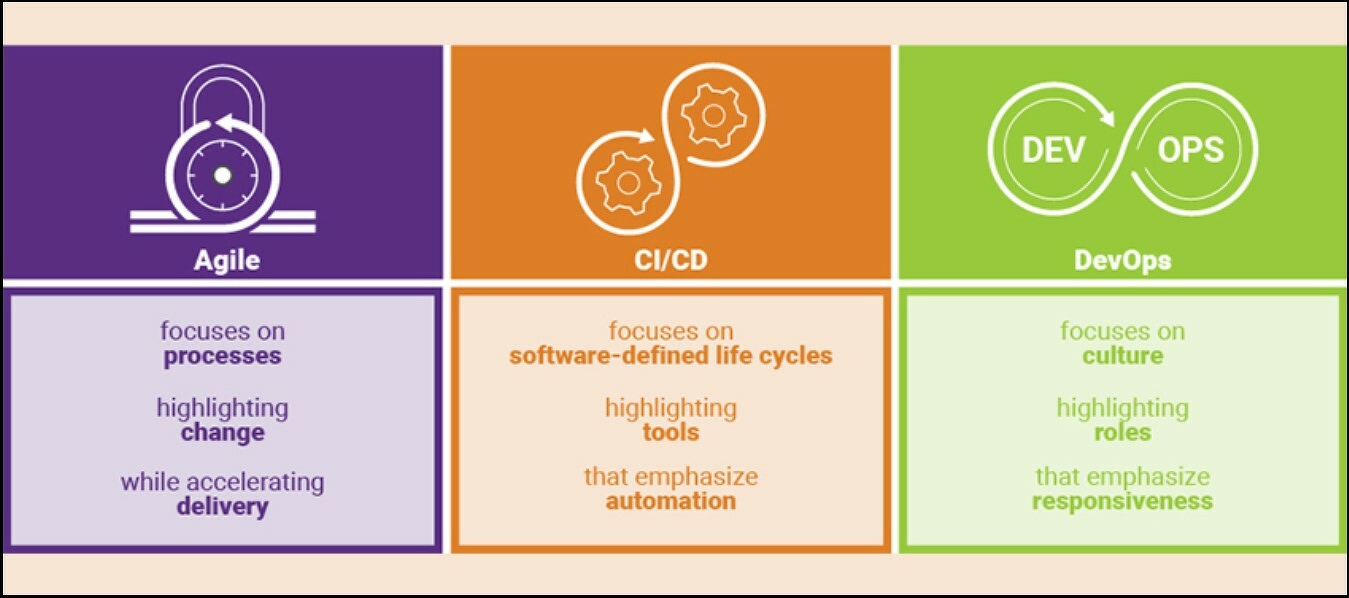
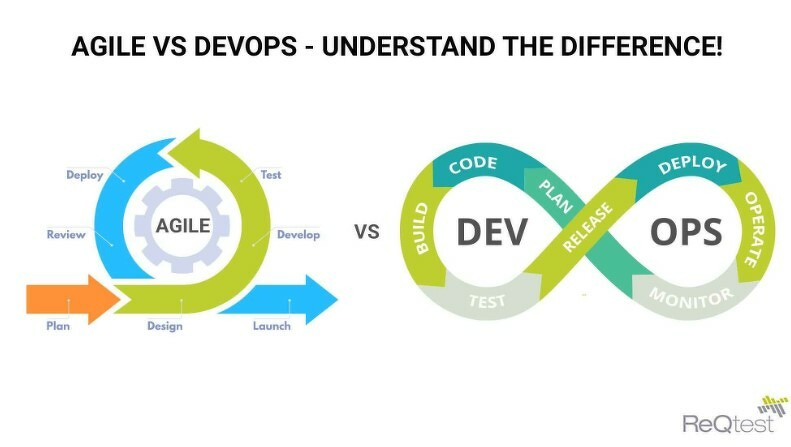
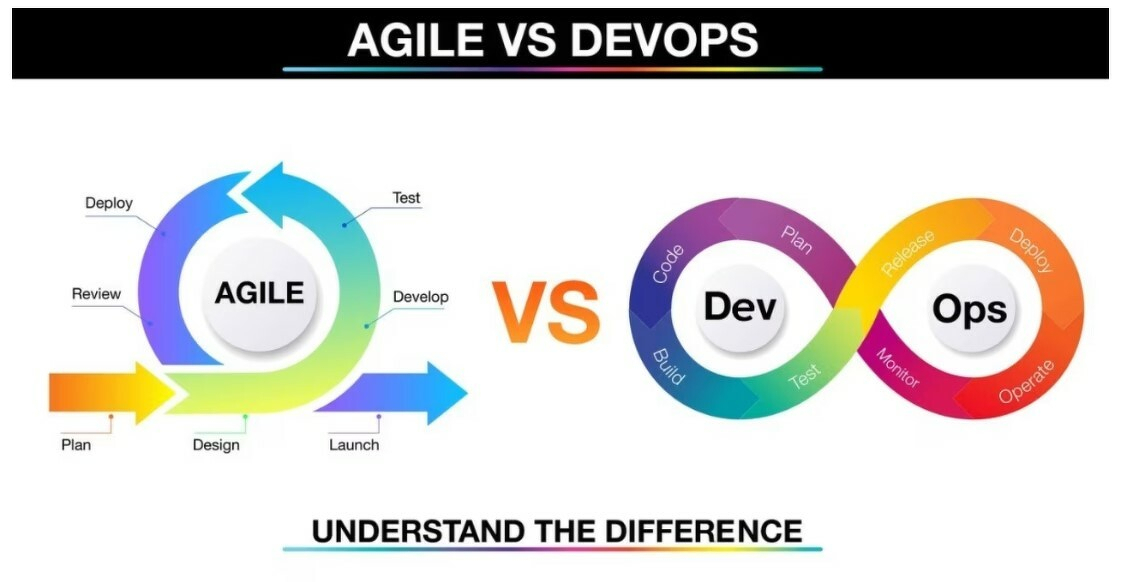
DevOps vs. Agile: Understanding the Key Differences Part 2
Why Agile Alone Is Not Enough
Many organizations successfully adopt Agile but still struggle with:
• Slow deployments • Production instability • Manual release processes • Tension between Dev and Ops teams This is because Agile stops at “code complete.” DevOps extends the journey to “value delivered.” Without DevOps, Agile teams often build software faster — only to wait longer for it to reach production.
How Agile and DevOps Work Best Together
Agile and DevOps are not competitors — they are complementary.
• Agile accelerates planning and development • DevOps accelerates delivery and operations • Together, they enable continuous value delivery In mature organizations, Agile teams feed directly into DevOps pipelines, supported by automation, cloud-native infrastructure, and continuous feedback loops.
What This Means
With the rise of cloud-native systems, microservices, and AI-driven development:
• Agile ensures adaptability in fast-changing markets • DevOps ensures stability in complex environments • DevSecOps integrates security throughout both Organizations that understand — and properly implement — both Agile and DevOps gain a strategic advantage in speed, quality, and resilience.
Conclusion
Agile and DevOps solve different problems, but they share the same mission: delivering value to users faster and more reliably. Agile helps teams build better software. DevOps helps teams run better systems. In 2025 and beyond, success doesn’t come from choosing one over the other — it comes from mastering how they work together.
LinkedIn Professional Profile - Cover Banner
Cover Banner is the first visual👁️ expression that will welcome🤗 anyone visiting your profile. It should also be part of your sales🛒💸💰 pitch, promoting you in a subtle way. A professional banner will massively projects📢 credibility and deep connection.
Cover Banner should not ✋🏻🛑⛔️be or contain the following:
- Your employer’s🏢logo/pictures, you are not promoting/selling the company
- Should not be random 𖦹 photos
- Should not be blank ████████
Why Cover Banner is very important🚨
- It creates a massive visual presentation👨🏻🏫
- It helps to be distinguished👑🏅 in search result
- It creates a stunning🪄✨ appeal when our profile is shared
LinkedIn Professional Profile - Your Photo
This is your professional sales pitch 24/7, so it should be clean, credible and professional at first glance. Your profile picture is very important, it should be:
- in color 🎨
- professionally💪 produced
- should be in bright✨⚡️💫🌟⭐️ color and has little or blank colored background
- 60-65 % should show your image, focusing on your face🙂
- Smile😁 sincerely
- Should have good lightning🕯️
- Dress👔 appropriately
Why Bother building your LinkedIn presence
You should be very intentional about building your presence on LinkedIn because
-
This will build you credibility faster🚀 in your field and opportunities will start finding you.
-
Projects and Job offers🛍️ will run after you🏃💨 without you applying
-
Getting hired becomes easier👌 because recruiters will be reaching out to you
-
Your turn your feed to live stream🛑LIVE 🎞️🎥 of what you are thinking
-
People react😮 and respond to your shared ideas🤓☝️💡 in real time and you level up faster.
DevOps vs. Agile: Understanding the Key Differences Part 1
In modern software development, Agile and DevOps are often mentioned in the same breath — and sometimes used interchangeably. Yet, while they are closely related, they are not the same. Understanding the difference between Agile and DevOps is critical for engineering leaders, product managers, and organizations aiming to scale efficiently. Both methodologies aim to deliver value faster, but they address different problems in the software lifecycle.
Both methodologies aim to deliver value faster, but they address different problems in the software lifecycle.
What Is Agile?
Agile is a software development methodology focused on how teams plan, build, and iterate on software. It emerged as a response to rigid, long development cycles and emphasizes: · Short, iterative development cycles (sprints) · Customer feedback and adaptability · Cross-functional collaboration · Continuous improvement Agile helps teams answer the question: “How do we build the right software efficiently?” Frameworks such as Scrum, Kanban, and SAFe are all implementations of Agile principles.
What Is DevOps?
DevOps is a cultural and technical approach that focuses on how software is delivered, deployed, and operated after it is built. It breaks down silos between development and operations teams by emphasizing: · Automation and CI/CD pipelines · Infrastructure as Code (IaC) · Continuous monitoring and feedback · Reliability, scalability, and security DevOps answers a different question: “How do we deliver and run software reliably at scale?”
Agile vs. DevOps: The Core Differences
Agile
Primary focus: Software development Key Goal: Build the right product Timeframe: Development phase Core Practices: Sprints, backlog grooming, retrospectives Main Benefit: Faster, flexible development
DevOps
Primary focus: Software delivery & operations Key Goal: Deliver and run it reliably Timeframe: Full lifecycle (build → deploy → operate) Core Practices: CI/CD, automation, monitoring Main Benefit: Faster, safer, scalable releases
Agile improves how software is built.
DevOps improves how software reaches users and stays reliable.
Goal Setting - What is a goal
Goal🎯 setting is very common with some many people👱🏻♀️👩🏻🦰👩🏻👧🏽👧🏾.
Failures📉 from attaining set goals is also very common with people👱🏻♀️👩🏻🦰👩🏻👧🏽👧🏾, thus leading so many people from setting goals🎯.
These failures are rooted in misconception of goal setting or for better words wrong definition of a goal.
The following are the characteristics📋 of a goal which will help to form the definition of a goal.
- Goal must be 100% within your control🎮
- Goal must be clear✅ and unambiguous
- Goals should be measurable⚖️
- Goals should be achievable🏆
- Goals should be relevant🔑
- Goals must be time-bound⏳
A goal is a clearly defined action not an outcome or result that an individual, group or organization intentionally aims to achieve within a specific period of time.
Why action and not an outcome or result - Actions are 100% 💯within your control while outcome or result are not 100% within your control. The goal is not the outcome but to do the amount of work👩🏻💻📓✍🏻💡 which would make it unreasonable for the outcome or result not to happen.
This is why so many fail📉from attaining their goals.
Example:
- Goal: To study 4 hours daily for my AZ-104 Exam in the next 3 months
- Outcome: To pass my AZ-104 Exam📝📚🙆🏻♀️🎓
- Actions: Committing 4 hours daily to study for my AZ-104 Exam
- Timing: 4 hours daily excluding weekend for 3 months
- 4 hours in a day
- 5 days in a week
- 4 weeks in a month
- 3 months
- 4 * 5 * 4 * 3 equals 240 hours⏰ In 3 months📅, I would have done 240 hours of study toward my AZ-104 Exam which would make it unreasonable for the outcome or result not to happen.
Even if the outcome was not successful🚫, you will have a sense of accomplishment seeing your trackable activities and learning how to stick to a schedule⌯⌲🗓️⋆。˚.
LinkedIn Online Visibility
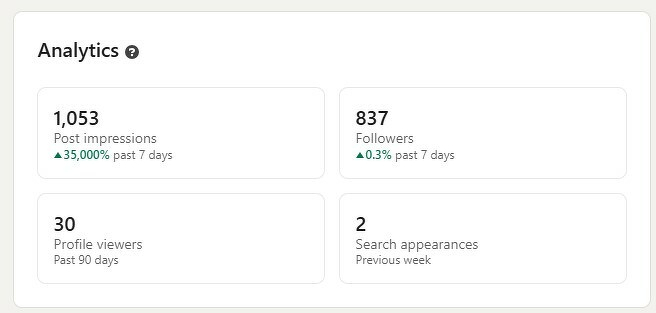
1053 views with just 2 posts, representing 35,000%🚀 increase📈 in post impression. This is really unheard of on any channel. LinkedIn is truly a massive opportunity to create content in our niche.
Indeed it is astonishing to see how LinkedIn creates a very good platform for online visibility. This result is very encouraging, now am scheduling post ahead of time to keep the momentum up.
What are you waiting⏳for, go for it and start posting on LinkedIn for your online🌐💻visibility.
Celebrate🎉🥳🎊🎁 your wins!
Be Intentional and Methodological about Note Taking
We need to be very intentionally and methodological about note taking 📝.
While put efforts into note-taking📝 that will never be consulted or used or only used once. This is the case of not be intentional about note taking.
To be intentional and methodological about note taking, see how to implement Zettelkasten Method of note taking📝.
Zettelkasten Method enables a solid system and structure behind note taking📝, thus making retrieving/connecting/linking/sharing of information easier👌.
This system will aid in reducing the time to retrieve/connect/link/shared information.
You will forever be grateful🙏🤗.
Note Taking Fundamental Principles
1. Input
2. Output
3. The brain
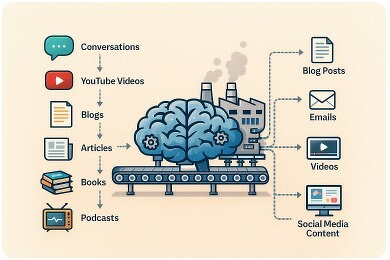
The brain 🧠 is the factory
All the books 📚, information 📋, videos 📹, conversations 🗫, articles 📜, recordings 🗣️🔊are the input
All your writing ✍️ or note-taking 📝in your own words is the output. Which can be used to create blog posts 📜🌐, emails, videos 🎬, courses, and social media content
Today: The AI-Driven DevOps Era
AI is rapidly reshaping DevOps into an intelligent, self-optimizing ecosystem.
Here’s how AI is redefining the field:
1. AI-Generated Code & Testing
Models can write functions, generate test cases, detect vulnerabilities, and accelerate development speed 🚀dramatically.
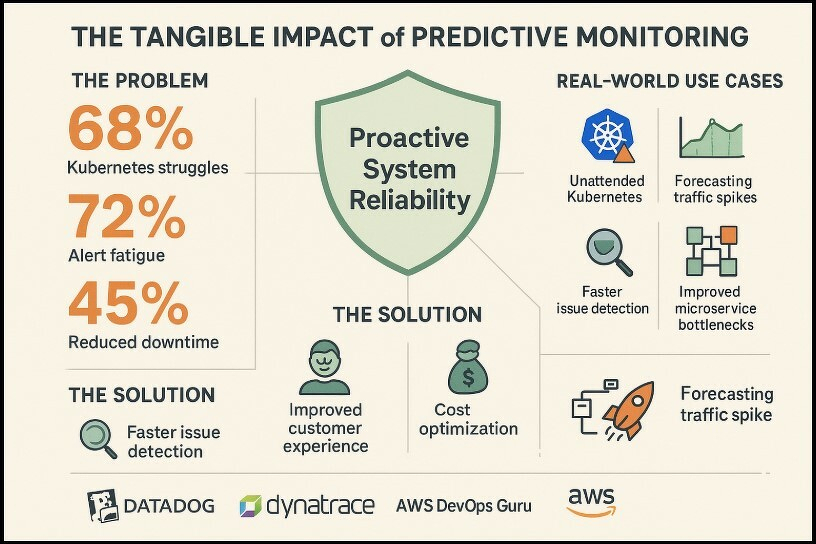
2. Predictive Monitoring (AIOps)
Instead of reacting to outages, systems now predict:
• Failure 🚨points
• Performance degradation 📉
• Security anomalies ⚠️
This shifts DevOps from reactive → proactive🎯 → autonomous.
3. Autonomous Infrastructure
AI can optimize autoscaling, cost management, traffic routing, and resource utilization automatically🔄.
4. Smarter CI/CD Pipelines
Pipelines now:
• Auto-detect risky🧨 deployments
• Suggest fixes
• Optimize build and test stages
• Enforce compliance continuously
DevOps is no longer only “faster releases” — it is evolving into intelligent, self-healing engineering systems.
Why This Evolution Matters for Leaders
Engineering leaders, CTOs, and DevOps teams must adapt to a new reality:
• Manual processes will disappear🪄
• AI skills become essential
• Platform engineering becomes central
• Security shifts left — fully integrated into automation
• Cloud-native complexity requires smarter🧠 orchestration
The future belongs to organizations that combine DevOps culture + cloud-native engineering + AI automation into one unified system.
DevOps Is Not a Destination — It’s a Journey
The evolution of DevOps reflects the evolution of modern technology itself. From Agile collaboration to cloud automation, and now AI-driven intelligence, DevOps continues to reinvent how we build, ship, and scale software. Companies that embrace the next phase of DevOps will not only innovate faster — they will operate with resilience, security, and clarity in an increasingly complex digital world. And that is why DevOps matters more than ever before.
Introduction to Markdown writing
This is header 1 (Type # for header 1)
This is header 2 (Type ## for header 2)
This is header 3 (Type ### for header 3)
This is header 4 (Type #### for header 4)
This is header 5 (Type ##### for header 5)
This is header 6 (Type ###### for header 6)
This will be made bold (wrap the word(s)/sentence(s) to be in bold in double ‘**’ )
This will be made normal
- list 1 (space + ‘-’ will create list)
- list 2
- list 2.1 (Press Tab to indent)
- list 3 (Press shift + Tab to return from indent)
Hello World (Type ‘>’ to do a call out)
Nice to meet you
How to take Notes
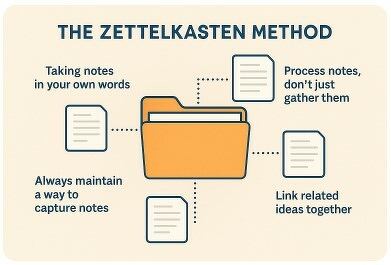
Taking notes in your own words—whether while reading, listening to recordings, or watching videos—forces deep thinking and true understanding.
Always maintain a consistent method for capturing notes, whether physically or digitally.
Don’t simply gather notes; process them. This is what leads to real knowledge.
Connecting and linking that knowledge creates the foundation for limitless growth.
The Evolution of DevOps: From Agile to AI-Driven Automation
Over the last two decades, DevOps has evolved from a cultural movement into a strategic engine powering the world’s most innovative companies. What began as an effort to close the gap between developers and operations teams has now expanded into a sophisticated ecosystem powered by automation, cloud-native technology, and increasingly — AI. Understanding the evolution of DevOps is essential for anyone leading technology teams, building digital products, or shaping engineering strategy.
From Agile Roots to Continuous Delivery
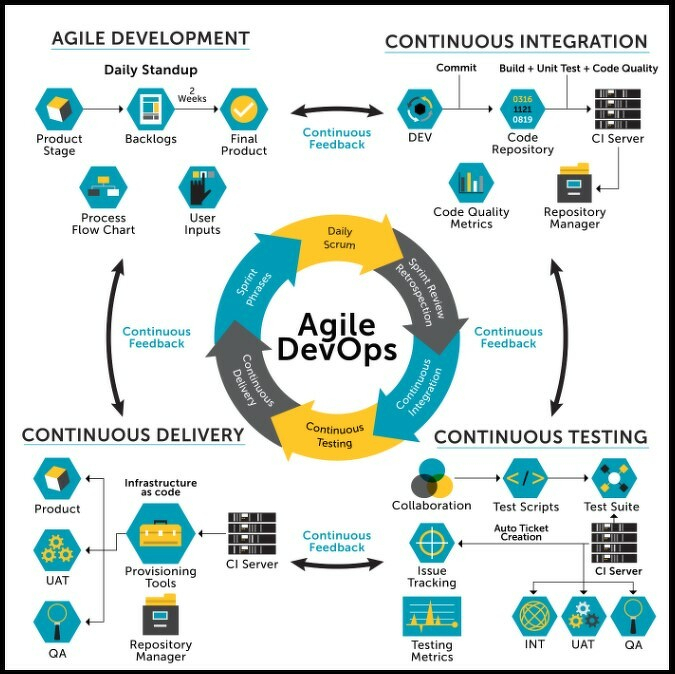
Before DevOps, Agile transformed how teams built software — shifting from long development cycles to short, iterative sprints. But Agile had a limitation: it improved building software, not deploying it. DevOps emerged to close that loop. With DevOps, development and operations aligned around shared goals: • Faster delivery • Lower risk • Continuous feedback • High collaboration This shift enabled organizations to move from “code complete” to “value delivered” — continuously.
The Cloud Era: Infrastructure Becomes Code
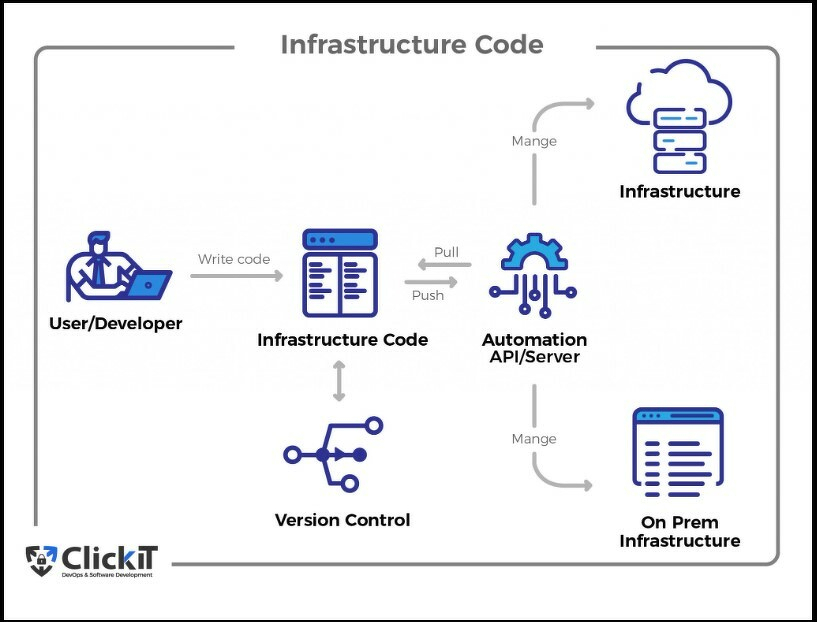
The rise of AWS, Azure, and Google Cloud reshaped DevOps completely. Suddenly, infrastructure wasn’t physical — it was software. Infrastructure-as-Code (IaC) tools like Terraform and CloudFormation enabled teams to: • Provision systems automatically • Version-control entire environments • Reduce configuration drift • Scale with a single command This era moved DevOps from “faster releases” to “predictable, reproducible, and scalable systems.”
Microservices & Containers: DevOps Gets Distributed
The shift to microservices, Docker, and Kubernetes further accelerated DevOps transformation. Software was no longer one big monolith — it became hundreds of small, interdependent services. This demanded: • Automated deployments • Advanced monitoring and observability • Strong CI/CD pipelines • New architecture patterns DevOps evolved again — from a team culture to a platform capability.
Zettelkasten & Productivity
The Power of the Zettelkasten Method: Thinking, Writing, and Productivity Reimagined
The Zettelkasten method, inspired by the work of Niklas Luhmann, is more than just a note-taking technique—it is a tool for thinking. At its core is a simple principle: one idea per card. Each note is written in your own words, ensuring that real understanding takes place as you translate ideas into personal language. This constant rewriting and processing deepens comprehension and gives your thinking a clearer, more structured form. When your thoughts are captured and connected, your mind gains an expressway for creativity and insight.
A Structured Approach to Note-Taking
Using the Zettelkasten system requires a shift in how you interact with information. It encourages you to build a personal ecosystem where notes are created, stored, and revisited through intentional structure. This daily interaction—linking, reviewing, refining—brings clarity and organization to the entire note-taking process. Instead of collecting scattered fragments, you build a growing network of ideas that can always be expanded or reconnected.
Writing Becomes Easier and More Modular
One of the greatest strengths of Zettelkasten is how it transforms writing into a modular process. Since each note contains a single idea, you can rearrange, combine, or use them to support different arguments with ease. Writing no longer begins with a blank page—because the writing is already happening during your research. Each note becomes a building block you can effortlessly assemble into larger pieces of work. This simplifies the writing process and turns complex projects into manageable parts.
Your External Brain: Memory Without Overload
A Zettelkasten serves as an external memory, freeing you from the pressure of holding everything in your mind. By storing ideas in a connected system, you gain better perspective and can switch between tasks without losing momentum. This creates flow, reduces mental strain, and allows you to focus on whatever is most important in the moment. It supports long periods of concentration and makes productivity feel natural—almost effortless.
Niklas Luhmann described working in a way that follows the path of least resistance:
“I only do what is easy. I only write when I immediately know how to do it. If I falter for a moment, I put the matter aside and do something else.” This adaptability lies at the heart of the method. Your notes enable you to pick up right where you left off or move to a different task without friction. By matching your work to your energy and mood, the system becomes like a river—flowing toward what is easiest and most aligned in the moment.
Effortless Productivity and Deeper Thinking
Because you no longer need to juggle every detail mentally, you can handle more complex tasks with ease. Linking notes allows you to see relationships, patterns, and insights that would be difficult to retain in your head alone. This kind of supported thinking allows you to solve problems more effectively, generate meaningful ideas, and maintain productivity without burnout. The Zettelkasten system becomes a powerful partner—helping you think better, create better, and work with greater fluidity.

Online Visibility
Started posting on LinkedIn and X on Saturday, 29th November 2025. The plan is to post on both every Tuesday and Friday going forward.
The Beginning
Starting with setting up my homelab on a laptop.
Getting started with Docker, using Docker Compose, and Dockerfile.
I tried setting up the following mini projects:
Portainer- Docker management dashboard (viewing containers, images, networks, volume and using docker compose)
Redis database container
PostgresSQL database container
Using FastAPI to connect a simple app running on a container, which is also connected to the database containers.